10 meditation techniques for all levels (and how to choose one)
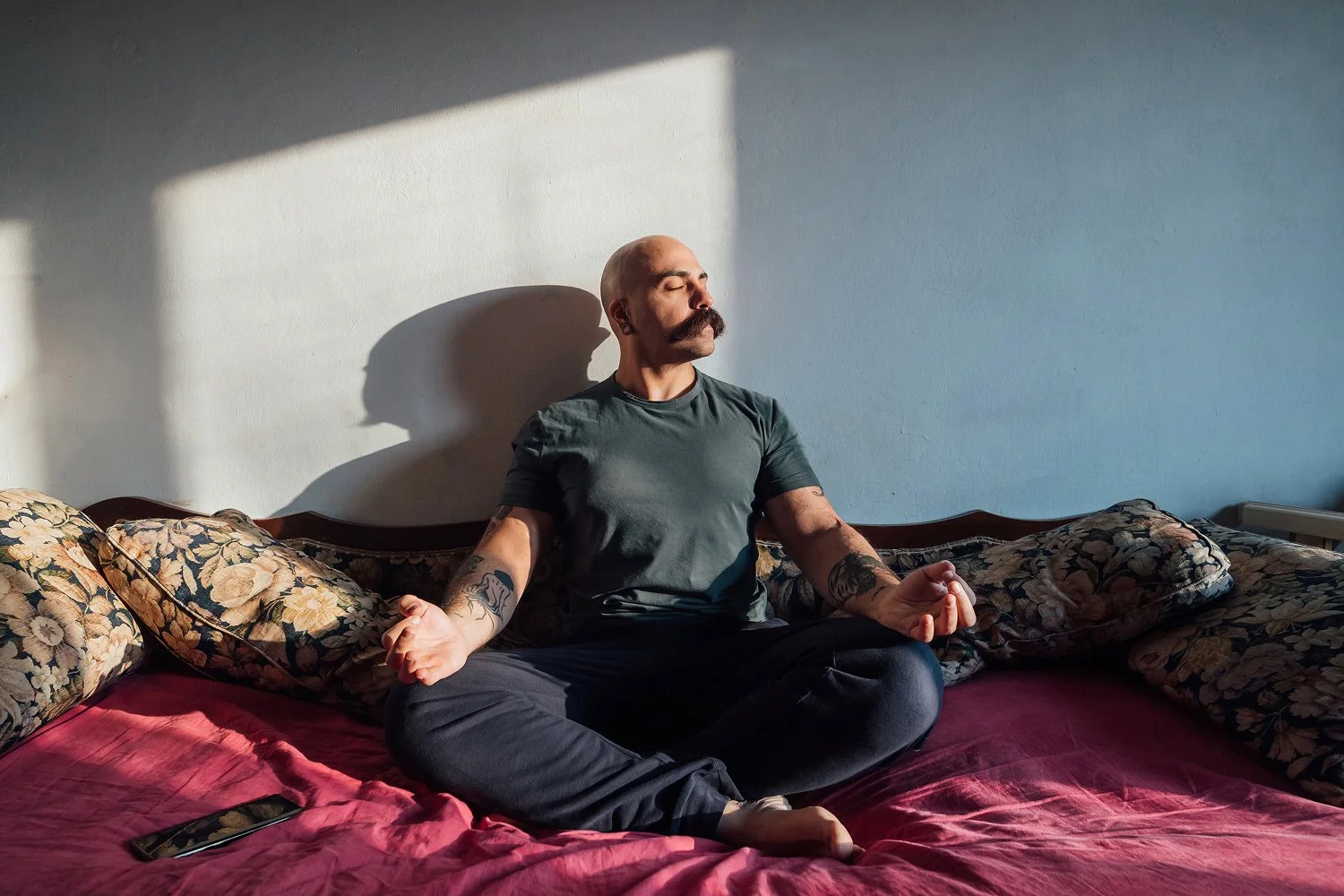

Clinically reviewed by Dr. Chris Mosunic, PhD, RD, MBA
With so many meditation techniques out there, it can be hard to know which one is right for you. Explore 10 meditation styles and tips to help you find your perfect match.
If you’re new to meditation, or just trying to deepen your practice, you’ve likely wondered where on earth to begin. With so many different techniques out there promising to be the thing you need to calm your mind, it can be overwhelming, to say the least.
The truth is that all meditation styles are about building the same skill: getting present. And there are so many ways to practice that skill. Some techniques use the breath. Some use movement. Some offer a guiding voice. No one technique is better or worse than another, but they can support you differently at different times in your life.
Let’s explore 10 popular (and proven) meditation techniques and how to figure out which ones work best for you.

What is a meditation technique?
A meditation technique is a specific method used during meditation. It gives structure to your practice so you’re not just sitting in silence, hoping your mind settles (spoiler: it probably won’t). The method might involve focusing on your breath, repeating a word, scanning the body, or observing thoughts as they pass.
Having some structure matters because the mind naturally moves. It plans, remembers, reacts, analyzes, worries… and on and on. A meditation technique isn’t trying to shut that down. Instead, it’s creating a simple framework so you can practice noticing where your attention goes and intentionally guiding it back.
Many meditation techniques have been studied in clinical and therapeutic settings. Research suggests that regular practice may reduce perceived stress and anxiety symptoms and support emotional regulation, especially when done consistently. It’s a steady training tool for attention, and over time, that training can influence how you respond to stress.

Why are there so many different styles of meditation?
Meditation has been shaped by many cultures, teachers, and communities over many, many years. Different groups developed their own ways of training their attention and relating to their thoughts and emotions. Some focused on breathing, some on kindness, while others emphasized stillness, movement, or sound. While the methods differ, they all offer structured ways to work with the mind and build steadiness over time.
As meditation became integrated into modern psychology and medical research, clinicians began adapting traditional practices to support people with stress, anxiety, chronic pain, and emotional challenges. This led to structured approaches like body scans, mindfulness-based stress reduction, and guided meditations becoming common in therapeutic settings. These techniques are designed with specific outcomes in mind, such as calming the nervous system, improving focus, or building emotional awareness.
And while this wide range of options can be overwhelming, it’s useful because every mind works in its own way. Some people feel calm when they focus on one thing. Others feel better when they listen to a guiding voice or move their body. No technique is better — they’re simply different choices you can explore to find what supports you (which may change from day to day).
Related read: These are the 40 most frequently asked meditation questions

10 meditation techniques to try
It can help to think of different techniques as tools in your meditation toolkit. You don’t always need all of them, but they’ll come in handy at different times. Each one supports the mind in a different way, and you might find that certain practices feel better on certain days. Here are 10 techniques you can explore at your own pace.
1. Breath awareness
This is one of the simplest (and most common) entry points to meditation. You follow the natural rhythm of your breath, feeling it flow in and out of the body, and return to those feelings when your attention drifts.
Slow, steady breathing—especially with longer exhales—has been associated with increased heart rate variability, a marker linked to better stress regulation.
Read more: How to practice breath meditation to relieve stress
💙 Practice breath awareness in this short Relax with the Breath meditation on the Calm app.
2. Body scan
A body scan moves your awareness from one part of the body to another, noticing sensations—like tingles, temperature, or tension—without trying to change them.
Body scans are commonly used in stress-reduction programs and may help increase body awareness and relaxation.
Read more: Body scan meditation: a step-by-step guide to practice
💙 Try this three-minute guided Body Scan meditation with Tamara Levitt on the Calm app.
3. Loving-kindness (metta)
This practice uses simple phrases like “may I be safe” or “may you be well” to build warmth and compassion.
Research suggests loving-kindness meditation can increase positive emotions and compassion, and may reduce self-critical thinking for some people.
Read more: Loving-kindness meditation: what it is, how to practice and why
💙 Take five minutes to practice a Loving Kindness meditation on the Calm app.
4. Mindfulness meditation
Mindfulness means observing thoughts, emotions, and sensations as they arise without getting pulled into them. The goal of this technique isn’t to stop your thinking — it’s to notice your thinking.
This can create a sense of space between you and your thoughts, which has been linked to lower emotional reactivity in some studies.
Read more: Mindfulness vs meditation: What are the key differences?
💙 Learn the basics of mindfulness meditation during the 7 Days of Calm series of guided meditations.
5. Visualization
Visualization uses mental imagery to create a sense of calm or safety. You might try picturing a peaceful place or imagining a feeling moving through the body.
Guided imagery can influence mood and relaxation for some people, especially when the images feel vivid and personally meaningful.
Read more: Visualization meditation: 8 exercises to add to your practice
💙 Relax your mind and body before bed with this guided visualization on the Calm app, A Woodland Stroll to Sleep.
6. Mantra meditation
A mantra is a word, phrase, or sound that you repeat to focus your mind. The steady repetition can quiet internal chatter and help you stay present.
Some people find this easier than following the breath because the mind has something more active to work with.
Read more: Mantra meditation: what it is, benefits, and how to practice
💙 Learn how to Get Settled with Sound during this short meditation on Calm.
7. Walking meditation
Instead of sitting, you use slow, intentional steps as your point of focus during a walking meditation. It’s helpful if sitting still feels uncomfortable or if movement helps you unwind.
The rhythm of walking can anchor your mind while keeping your body engaged.
Read more: Walking meditation: what it is, how to do it, and why
💙 Explore this technique during a five-minute Mindful Walking meditation practice on Calm.
8. Guided meditation
A teacher, recording, or app leads you moment by moment. Guided practices are especially supportive for beginners or anyone who feels overwhelmed by silence.
They offer direction, help you focus, and can make the experience feel less lonely.
Read more: 4 guided meditations for sleep you need to try tonight
💙 Check out the Daily Calm for a brand new 10-minute guided meditation every day.
9. Breathwork-based meditation
These techniques use structured breathing patterns—like box breathing or longer exhales—to help the nervous system settle first.
When the nervous system settles, the mind is often able to follow suit.
Read more: 10 types of breathing exercises (and how to practice them)
💙 Steady your body and mind during this guided Box Breathing meditation on the Calm app.
10. Noting
Noting is a simple mindfulness approach where you label what’s happening in your mind or awareness: “thinking,” “hearing,” “worrying,” “planning.”
This gentle identification helps create clarity and reduces the pull of intrusive thoughts. It’s a way of staying present without getting tangled in your mind’s stories.
Read more: How to use the noting technique in meditation: 7 steps to try
💙 Practice Noting your thoughts, emotions, and sensations during this mindfulness meditation on the Calm app.

How to find the right meditation techniques for you
It’s worth repeating that you don’t need one “perfect” meditation technique. For most people, it’s best to rotate between a few practices depending on their energy, mood, and schedule.
While it helps to spend a bit of time with each technique to get a good feeling for how it works for you, the goal isn’t to lock into a single method, but to build a small set of options you can return to when you need them.
Here are some tips to help you build your personal meditation toolbox:
Start with what feels approachable
If a technique feels overwhelming, save it for later. Choose the one that feels simplest today. That might mean 30 seconds of breathing or a short guided practice. Starting small builds consistency, and consistency matters more than intensity.
Match the practice to your energy
Your energy shifts throughout the week, and your meditation can shift with it. On restless days, being outdoors may help release excess tension. On tired days, a guided meditation can provide structure without requiring much effort. When you feel steady, breath awareness or noting can feel clear and focused. Adjusting the technique to suit where you are that day can make the practice feel smoother and more enjoyable.
Pay attention to how your body responds
Notice what happens after you practice. Do you feel slightly more settled, or more tense? Both reactions offer good information. If something feels too tight or activating, try a potentially gentler option like a body scan or visualization.
Give each technique a fair trial
One session usually isn’t enough information to go on, so try a technique for a few days before deciding how it works for you. It doesn’t have to be a long-term commitment, just enough time for your mind to get familiar with the structure. Plus, it helps to see how your mind and body respond on different days when your mood and energy levels are a little (or a lot) different.
Keep sessions short at first
Brief practices are easier to maintain — short sessions reduce pressure and help you return the next day. Remember that it’s more about consistency than duration. Even one to five minutes of practice can help regulate attention and calm the nervous system.
Allow variety into your routine
Explore a mix of techniques to support you in different moments of your day. You could try using breath awareness during a busy afternoon and loving-kindness before bed. Or walking meditation on your lunch break and a breathwork practice on your evening commute. Variety keeps your practice relevant to the realities of your life.
Use guidance when it helps
Guided meditations can offer support and structure, especially when silence feels intimidating. You can move between guided and silent practice depending on what feels helpful that day or week.
Check in occasionally
Every few weeks, reflect on what’s working. Which techniques feel supportive? When does meditation fit most naturally into your day? Gentle adjustments keep the practice flexible. Meditation works best when it adapts to your life, not the other way around.

Meditation techniques FAQs
What are some of the different meditation styles?
There are many meditation styles, and each one helps the mind in a different way:
Mindfulness focuses on noticing thoughts and sensations as they come and go
Loving-kindness builds feelings of warmth and care
Breath awareness uses your breath to steady your attention
Guided meditation gives you spoken instructions to follow
Other styles, like visualization, mantra meditation, and walking meditation, offer the mind different ways to settle, so you can pick what feels most supportive.
What are the best meditation techniques for beginners?
Beginners often do well with techniques that offer structure. Guided meditations, breath awareness, and simple body scans are easy places to start because they give your mind something clear to follow.
These practices help you ease into meditation with less worry about whether you’re doing it “right”. Once you feel more comfortable, you can try other styles to see what fits.
Are there advanced meditation techniques?
There are meditation techniques considered more advanced, but that usually means they need more time or focus, not that they’re better. Practices like open-awareness meditation, longer loving-kindness sessions, or extended silent sits ask for more patience and attention.
Some people grow into these over time, while others prefer to stay with shorter, simpler practices that support them well. Both choices are completely valid.
Should I try different meditation styles?
Trying different meditation types can help you learn what your mind responds to. Some practices may feel grounding on busy days, while others feel more helpful when stress or sadness shows up.
Many people find that having a few options makes it easier to return to meditation because they can choose what fits best in the moment.
Which meditation is best for anxiety?
Meditation styles that calm the body often help the most with anxiety. Breath awareness, body scans, and guided practices can create a sense of safety by slowing the breath and easing tension.
Visualization can also support you when anxious thoughts feel loud. The best technique is the one that feels steady and manageable.
How long should I meditate for?
Short practices can be very effective, especially when you’re starting out. Even a few minutes of practice can temporarily improve focus or reduce stress for some people, especially when done regularly.
Longer sessions can help too, but the most important thing is choosing a length you can return to often. Consistency matters more than time.
Can meditation help mental health?
Meditation can support mental health by lowering perceived stress and anxiety symptoms and improving emotional awareness. It’s most effective as a complement to, not a replacement for, professional care.
The key is choosing a technique that feels safe and comfortable, so the practice becomes something you can rely on.
Is a guided meditation better than silent meditation?
Neither style is better; they just help in different ways. Guided meditations offer direction, which can be helpful when your mind feels busy. Silent meditation gives more space and freedom, which some people enjoy once they feel more confident.
Many people switch between the two based on how they feel that day. The best choice is the one that supports you in that moment.
Calm your mind. Change your life.
Mental health is hard. Getting support doesn't have to be. The Calm app puts the tools to feel better in your back pocket, with personalized content to manage stress and anxiety, get better sleep, and feel more present in your life.

Images: Getty